Omotenashi, A Week of Noticing in Tokyo
May 04, 2026
I spent a week in Tokyo for the ClickHouse offsite and I couldn’t stop noticing the small design choices that made life better everywhere I went.
Japan has a concept called omotenashi, roughly “anticipatory hospitality.” Not reacting to what people need. Anticipating it. The goal is to eliminate friction before anyone notices it exists.
It’s engineered into everything.
A few things I noticed:
- Two handrails at different heights, one for adults, one for kids.
- Under-table baskets/boxes at cafes. Your bag never touches the floor, nobody trips.
- Coffee stirrers with a notch that clips onto the lid. Stays put while you drink.
- Tablets with real-time voice translation in taxis.
- Pedestrian crossings with distinct audio cues per direction: a cuckoo for North-South, a chirp for East-West. The sound alternates sides to create a directional path. Brilliant wayfinding for the visually impaired, invisible to everyone else.
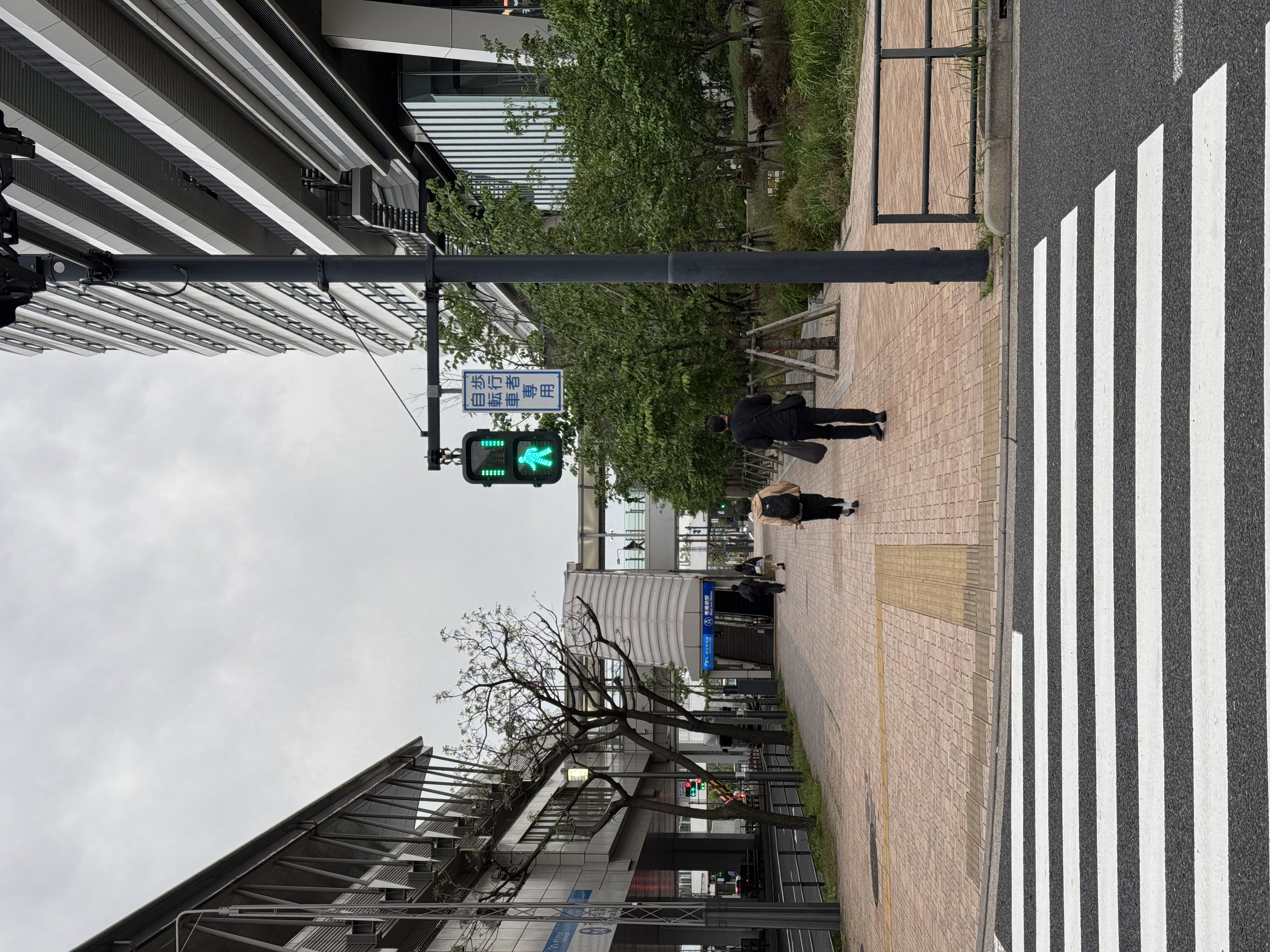
- Pedestrian traffic lights with progress bars. Removes that low-grade anxiety of guessing when the light is about to flip.
- Restroom displays outside the entrance showing which stalls are free.
- Umbrella hooks inside stalls and at urinals.
- A seat for babies in the stall for parents using the toilet.
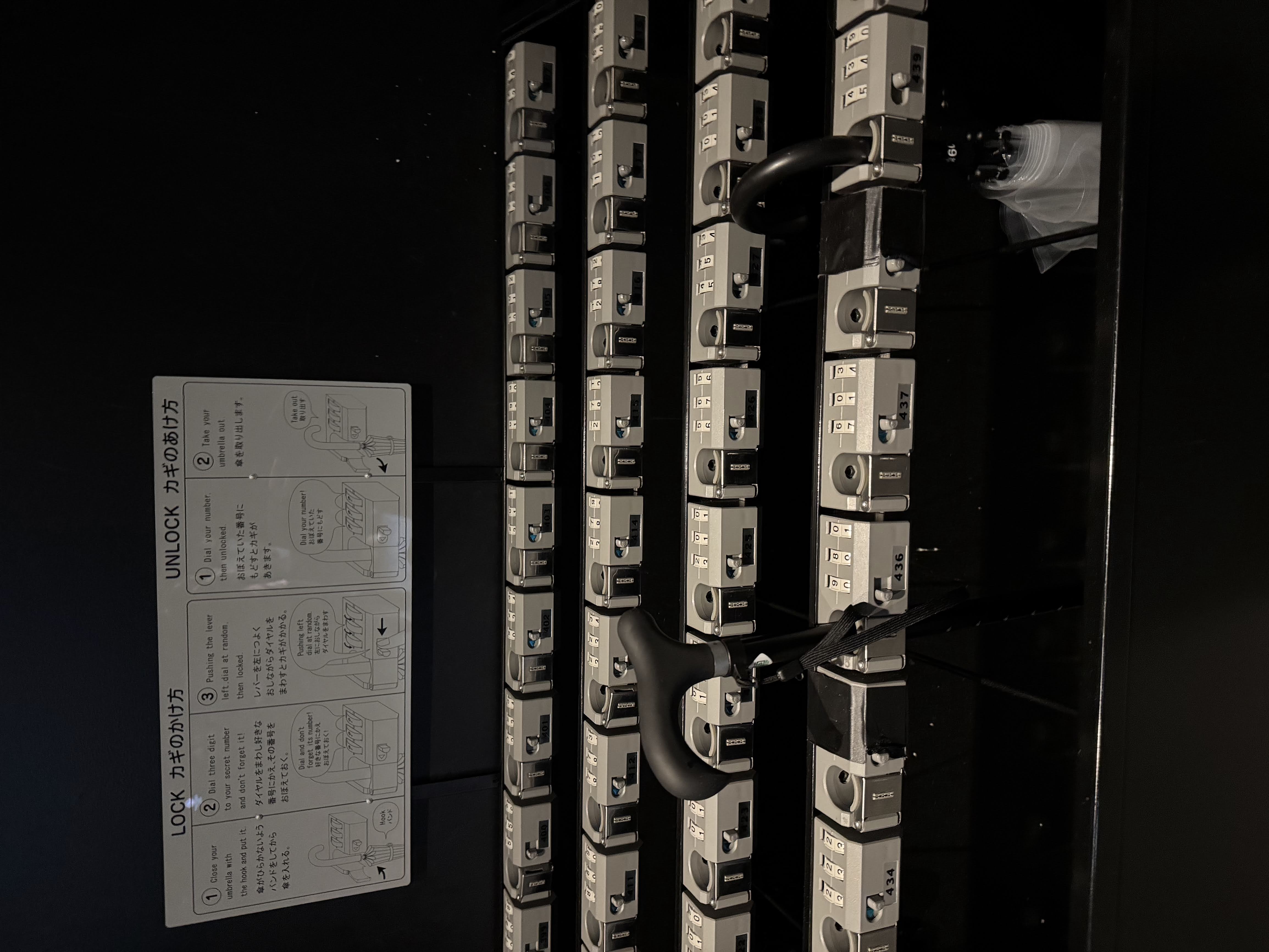
- Locker keys on a wristband, with the locker number printed on it. Nothing to memorize, nothing to lose.

- Umbrella locks next to the lockers, for the ones that don’t fit inside. Probably less about theft and more about preventing mix-ups.
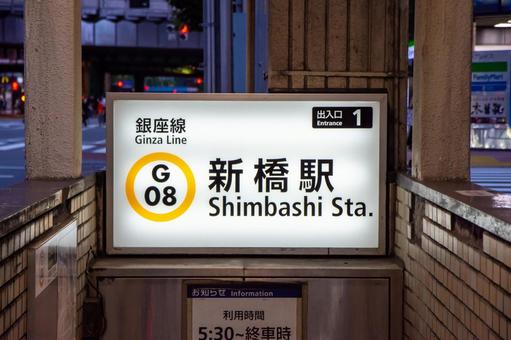
- Metro station codes like G08, meaning Line G, 8th stop. You don’t need to know the name Shimbashi or speak the language. You just follow the number.
- Dedicated priority wheelchair call buttons at a lower height on elevators.
- Fold-out platforms in airport restrooms for changing clothes without standing on the floor. Enough space in stalls for luggage.
None of this is high technology. Someone watched how people actually move through spaces, and quietly removed the friction. I love little details like this that make people’s lives a little bit easier.
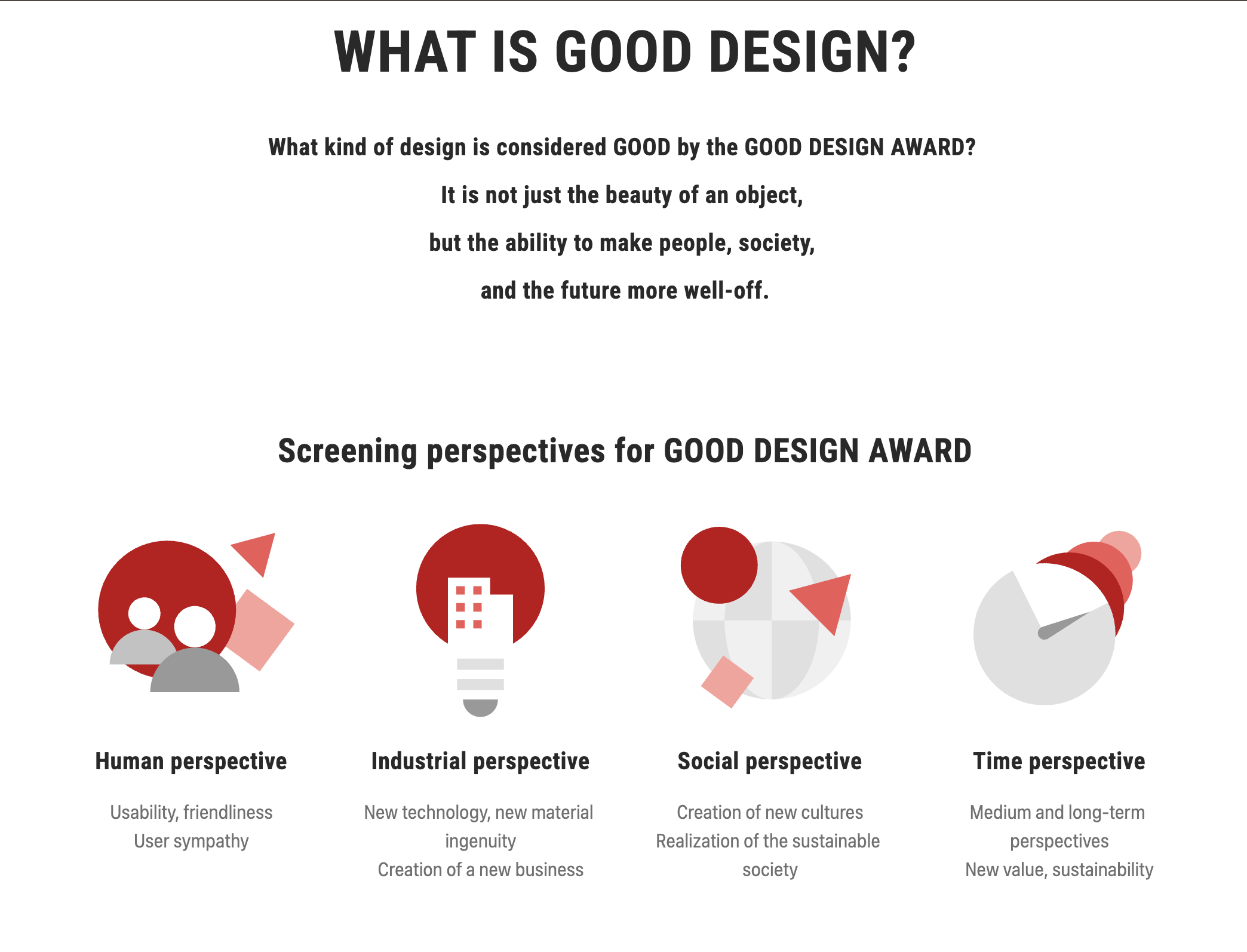
It’s not just culture though. Japan’s government has actually operationalized good design by establishing the G-Mark. It recognizes good design with an ISO certification style stamp that well-designed products get to brand and promote themselves with. The brand carries a lot of weight since 80% of consumers in Japan recognize this symbol.